Is X (Twitter) Down? Your Ultimate Guide to Checking Live Status & Real-Time Reports
The sudden inability to load your feed, send a post, or even log into X (formerly Twitter) can be a frustrating and surprisingly common experience for millions worldwide. In an age where X serves as a primary hub for breaking news, instant communication, and cultural discourse, even a brief outage can feel like a major disruption. When you find yourself staring at an error message or an endlessly spinning loading icon, the immediate question that springs to mind is often: Is X (Twitter) Down?
This comprehensive guide is designed to help you quickly determine the live status of X, understand the common reasons behind outages, and equip you with practical steps to take. We'll explore reliable methods for checking real-time reports and delve into what constitutes a "down" status for one of the world's most influential social media platforms.
How to Verify if X (Twitter) is Down: Your Go-To Methods
When X isn't working for you, the first step is to ascertain whether it's a localized problem (affecting only you) or a widespread outage. Fortunately, several tools and strategies can help you get a definitive answer.
Utilizing Third-Party Status Checkers
Dedicated third-party websites are your most reliable allies in confirming X's operational status. These platforms typically use a combination of server pings and real-time user reports to provide an accurate overview:
- IsItDownRightNow.com: This simple yet effective tool allows you to enter "twitter.com" or "x.com" and will attempt to ping the website from its own servers. If their server confirms X is down, it's highly likely to be a widespread issue, indicating a problem beyond your local connection. Their assessment often suggests causes like server overload, network problems, or ongoing website maintenance.
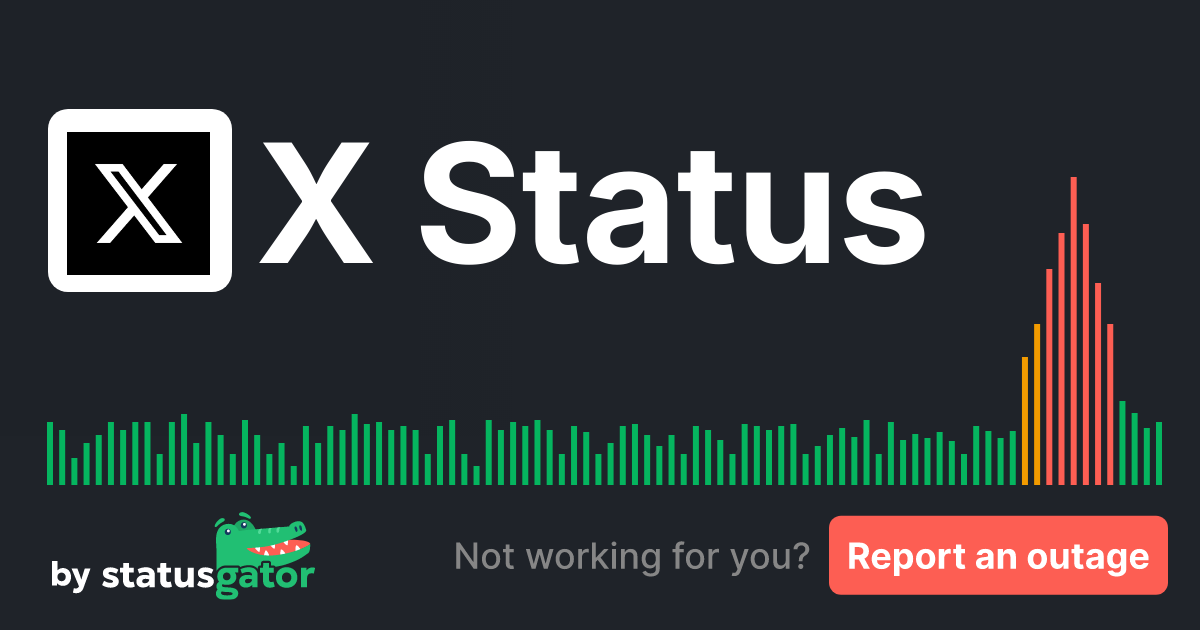
- DownDetector: Perhaps the most widely recognized outage tracker, DownDetector aggregates user-submitted reports of problems. It provides a real-time graph showing reported issues over the last 24 hours and indicates common problems users are experiencing (e.g., website login, app functionality, feed loading). The higher the spike in reports, the more likely there's a significant outage.
- NordVPN Status Checker: As highlighted in reports, services like NordVPN's status checker rely heavily on user input. They dynamically calculate the service status every 30 minutes based on reports submitted within the past 24 hours. This methodology involves establishing a "baseline" of normal reporting activity and then setting thresholds:
- Online: Fewer than 50% of reports compared to the baseline.
- Partial Outage: Reports fall between 50% and 75% of the baseline.
- Down: Reports exceed 75% of the baseline, indicating a significant issue.
Checking Other Social Media and News Outlets
It might seem ironic, but when X is down, other social media platforms like Facebook, Instagram, or Reddit often become the primary channels for users to discuss the outage. A quick search for "X down" or "Twitter outage" on these platforms will usually yield a torrent of posts from other affected users if it's a widespread problem. News organizations are also quick to report on major platform outages, so a general web search can confirm global issues.
Your Own Connection and Device
Before concluding that X itself is down, always perform a quick self-check:
- Internet Connection: Can you access other websites or online services? If not, the issue is likely with your internet service provider (ISP).
- Different Device/Browser: Try accessing X from a different web browser, a different device (smartphone vs. desktop), or through the mobile app. This helps rule out browser-specific issues or problems with your device.
- VPN: If you use a VPN, try disabling it, or if you don't, consider using one to see if bypassing your local network connection resolves the issue. Sometimes, regional routing problems can affect access.
Why X (Twitter) Experiences Downtime: Common Causes and Explanations
The vast, complex infrastructure required to run a global platform like X means there are numerous points where something can go wrong. Understanding these common causes can shed light on why you might be asking, "Is Twitter Down?"
- Server Overload: During major global events, breaking news, or viral trends, X's servers can experience unprecedented traffic. While designed for scalability, extreme spikes can overwhelm the system, leading to slow loading times, errors, or temporary unavailability.
- Network Problems & Infrastructure Issues: This can range from issues with X's own data centers, content delivery networks (CDNs), or even broader internet backbone problems. A fiber optic cable cut, a major cloud provider outage, or a DNS (Domain Name System) issue can all disrupt access.
- Website Maintenance & Updates: While X often tries to perform maintenance during off-peak hours or roll out updates seamlessly, sometimes these processes can lead to unexpected glitches or brief periods of downtime.
- Software Bugs & Deployment Errors: New code deployments, configuration changes, or unforeseen bugs in the software can inadvertently introduce errors that bring down parts or all of the service.
- Cyberattacks: As noted in past incidents, platforms like X can be targets for malicious actors. Distributed Denial of Service (DDoS) attacks, where attackers flood servers with traffic, can cause significant outages.
- Regional or Device-Specific Glitches: Sometimes an outage isn't global. It might affect users only in a particular geographical region (e.g., specific countries or continents) or only certain types of devices (e.g., desktop access only, mobile app only).
Each of these factors contributes to the dynamic nature of platform stability, making it essential for users to have robust methods for verifying status. For a more detailed breakdown of specific incidents and their underlying causes, we recommend reading X (Twitter) Outages: Decoding Past Incidents & Causes.
Notable Past X (Twitter) Outages and Their Impact
X has experienced its share of service disruptions over the years, varying in cause, duration, and global reach. Examining these past incidents provides context and illustrates the diverse reasons why the platform might go offline.
- March 10, 2025 – A Significant Cyberattack: Reports detailed a major incident affecting X, which suffered intermittent outages for approximately 15 hours. According to statements from Elon Musk, the website's owner, these disruptions were attributed to a massive cyberattack, highlighting the constant threat major platforms face from malicious actors.
- December 9, 2024 – Regional Desktop Disruption: This incident saw X become inaccessible specifically for desktop users in Spain. Interestingly, mobile access remained unaffected, demonstrating how outages can be geographically and platform-specific, pointing towards potential routing or server issues localized to particular user groups.
- December 21, 2023 – Widespread Service Disruptions: Reuters reported significant service disruptions across several key regions, including the United States, the United Kingdom, and France. This two-hour outage affected a broad user base and illustrated the potential for widespread impact even from relatively short periods of downtime.
- December 28, 2022 – Global Access Issues: In a similar vein, Reuters also documented an incident where thousands of X (then Twitter) users from around the world were unable to access the website for about two hours. Such global, non-specific outages often point to core infrastructure issues or large-scale server problems.
These incidents underscore that outages are an inherent part of managing a massive, real-time platform. They can stem from external attacks, internal software glitches, or localized network problems. Each event serves as a learning opportunity for the platform to bolster its resilience and response mechanisms.
What to Do When X (Twitter) is Down: Troubleshooting and Patience
Once you've confirmed that Twitter Down is indeed a global or widespread issue, there's often little you can do but wait. However, if you suspect it might be a localized problem, or you want to ensure your setup isn't contributing, here are some actionable steps:
- Check Your Internet Connection: Ensure your Wi-Fi or cellular data is working correctly by visiting other websites or using other apps.
- Refresh and Reopen: A simple refresh of the web page or restarting the X mobile app can sometimes resolve minor glitches.
- Clear Browser Cache and Cookies: Stale data in your browser's cache can sometimes prevent websites from loading correctly. Clearing this data can fix access issues.
- Try a Different Browser or Device: Attempt to access X from an alternative web browser (Chrome, Firefox, Edge) or a different device (phone, tablet, computer) to rule out client-side problems.
- Restart Your Device and Router: A full restart of your computer or smartphone, along with your internet router/modem, can often clear temporary network or device-specific issues.
- Use a VPN (If Appropriate): If you suspect regional ISP routing issues, a Virtual Private Network (VPN) can sometimes bypass these by connecting you to X servers through a different network path. NordVPN, as mentioned in our sources, offers such a service.
- Be Patient: If third-party status checkers confirm a widespread outage, the best course of action is simply to wait. Platform engineers will be working frantically behind the scenes to restore service. Continuous refreshing or repeated login attempts can sometimes exacerbate server load during an outage.
Conclusion: Staying Informed in a Connected World
The question, "Is X (Twitter) Down?" is more than just a minor inconvenience; it reflects our reliance on real-time information and connectivity. While outages are an unavoidable reality for any massive online service, being equipped with the knowledge to quickly check status and understand potential causes can significantly reduce frustration. By utilizing reliable third-party status trackers, understanding the nuances of outage definitions, and performing basic troubleshooting, you can stay informed and proactive when X experiences a hiccup. Remember, in most cases of widespread downtime, patience is your best virtue, as the teams behind X work diligently to bring the platform back online for everyone.